

 Filipino


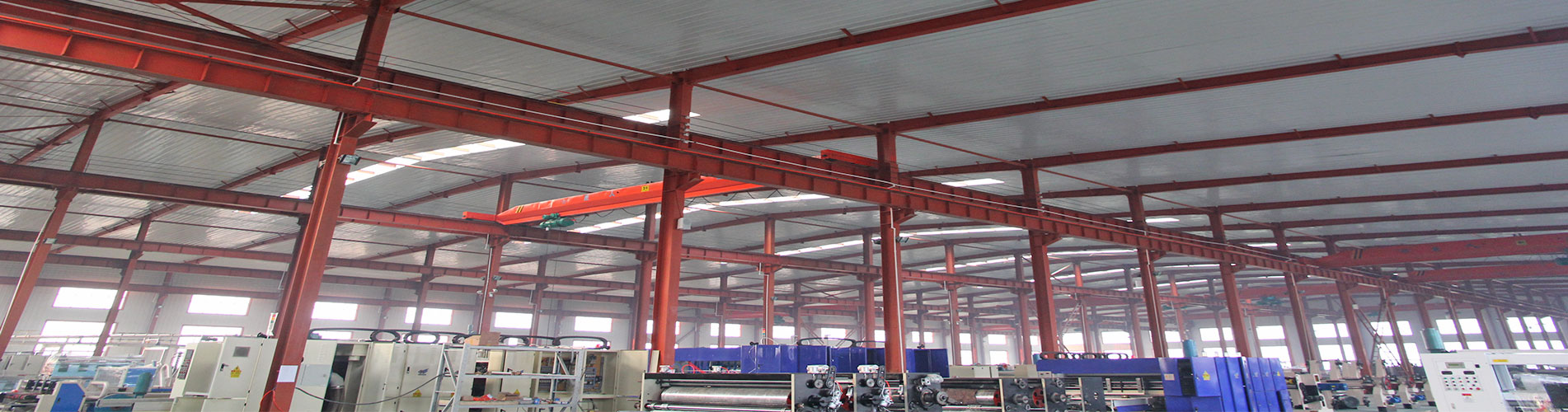

How Modern Steel Structure Fabrication Accelerates Industrial Plant Construction
1. Parallel Workflows: Fabrication While the Site Prepares
One of the biggest time killers in conventional construction is the sequential workflow—foundations must be poured, cured, and inspected before any superstructure work begins. Modern steel fabrication flips this model.
With Building Information Modeling (BIM) and early detailing, steel components are ordered and fabricated in a controlled factory environment whilesite grading, piling, and foundation work are underway simultaneously. This overlap alone can shave 4–8 weeks off a typical project schedule.
✅ Result: No idle crews waiting for the structure to begin. The steel frame is ready to erect the moment the foundation is certified.
2. Precision Off-Site Fabrication Reduces On-Site Rework
Modern fabrication shops use CNC plasma/laser cutting, robotic welding, and automated drilling, achieving millimeter-level tolerances that are impossible with field welding or manual cutting.
Each component is:
Cut, welded, and surface-treated in the factory
Marked with a unique ID linked to its digital twin
Pre-fitted with bolt holes and connection plates
When these parts arrive on site, they bolt together like a giant 3D jigsaw puzzle—eliminating field modifications, reaming, or welding corrections that typically cause delays.
✅ Result: Faster erection, fewer errors, and minimal dependence on highly skilled on-site welders.
3. Rapid Erection With Bolted Connections & Crane Pick Plans
Unlike cast-in-place concrete, which requires formwork, rebar, and days of curing per pour, a prefabricated steel frame is erected with high-strength bolted connections and planned crane picks. A typical medium-sized industrial plant's primary steel frame can be stood up in days rather than weeks.
Advanced fabricators also provide:
Erection drawings and sequence plans
Pre-numbered members for just-in-time delivery
Crane path optimization
Once the frame is up, roof and wall cladding can follow immediately—often starting interior MEP (Mechanical, Electrical, Plumbing) rough-ins before full enclosure is complete.
✅ Result: The "dry-in" phase happens weeks earlier, letting interior trades start sooner.
4. Weather-Independent Production Keeps Schedules Predictable
Concrete pours and masonry are vulnerable to rain, freezing temperatures, or extreme heat. Steel fabrication, however, happens indoors in climate-controlled facilities, immune to site weather conditions.
This predictability improves:
Lead-time reliability
Delivery sequencing
Overall schedule confidence
Even if site work is briefly delayed by weather, steel production continues uninterrupted and can be staged for later shipment.
✅ Result: Fewer weather-related delays and more dependable project milestones.
5. Built-In Provisions for Plant Systems & Future Expansion
Modern steel fabrication doesn't stop at the frame. Crane runway beams, mezzanine supports, equipment anchorage points, and pre-cut openings for conduits, ductwork, and piping are integrated during fabrication.
This means:
MEP trades don't need to core-drill or field-cut structural members
Production-line layouts can be accommodated from day one
Future bay additions or layout changes are straightforward
✅ Result: Less coordination friction between trades and easier plant reconfiguration down the road.
6. Measurable Time & Cost Impact
Industry data shows that prefabricated/Pre-Engineered Metal Buildings (PEMB) and modern fabricated steel structures can reduce overall construction time by 30–50% compared to traditional reinforced concrete methods.
The business benefits go beyond speed:
Earlier plant commissioning → earlier revenue
Reduced financing/interest carrying costs
Lower on-site labor and supervision expenses
Less material waste and higher quality consistency
Conclusion: Steel Fabrication as a Strategic Advantage
Modern steel fabrication is no longer just a "building method"—it's a schedule-compression strategy. By combining BIM-driven design, automated off-site manufacturing, and bolt-together field assembly, it removes the bottlenecks of traditional construction and gets industrial plants into operation faster.
Mga kategorya
pinakabagong blog
Mga tag


Para sa Mga katanungan tungkol sa aming mga produkto o pricelist, mangyaring mag-iwan sa amin at kami ay nakikipag-ugnay sa loob ng 24 oras.
© Copyright: 2026 Hebei Baofeng Steel Structure CO.,LTD Lahat ng Karapatan ay Nakalaan.

IPv6 suportado ng network


 +8615720226351