

 Filipino



What Is a Steel Structure Building Foundation?
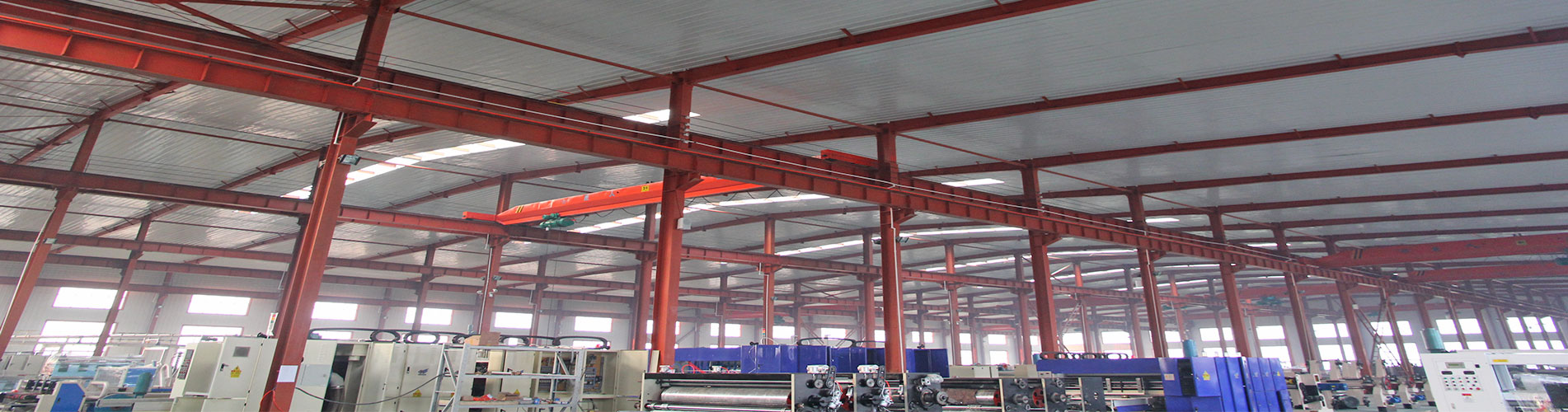
When planning a steel structure building—whether it’s a warehouse, aircraft hangar, workshop, or high-rise frame—the conversation often starts with the frame itself. But any experienced engineer will tell you: the foundation is the most critical part of the project.
So, what exactly is a steel structure building foundation, and why does it matter so much? Let’s break it down.
Understanding the Basics
A steel structure building foundation is the underlying support system that transfers the loads of a steel-framed building safely into the ground. Unlike wood or masonry buildings, steel structures are lightweight yet incredibly strong. This unique characteristic changes how the foundation must behave.
The foundation must:
Support vertical loads (the weight of the building).
Resist lateral forces (wind and seismic activity).
Prevent differential settlement (uneven sinking).
Anchor the steel columns firmly to the earth.
Why Foundations for Steel Buildings Are Unique
Steel is flexible. While this is an advantage in many ways, it means the foundation must be rigid enough to control movement. If the foundation shifts unevenly, the steel frame can rack (tilt), causing doors to stick, walls to crack, and connections to fail.
Additionally, steel columns require anchor bolts embedded directly into the concrete foundation to secure the structure against uplift and sliding.
Common Types of Foundations for Steel Structures
The type of foundation depends on soil conditions, building size, and local codes. Here are the most common options:
1. Slab-on-Grade (Concrete Pad)
This is the most popular choice for small to medium-sized steel buildings like garages and workshops.
Pros: Cost-effective, fast installation, provides a flat floor.
Cons: Not suitable for heavy point loads without reinforcement.
2. T-Shaped Footings
Used for larger buildings where the soil freezes. The footing is placed below the frost line to prevent heaving.
Pros: Excellent stability in cold climates.
Cons: Requires more excavation and concrete.
3. Pier and Beam Foundations
Ideal for sloped sites or areas with poor soil. Concrete piers are drilled deep into stable soil, supporting beams that hold the steel frame.
Pros: Minimizes soil disturbance; works well on hillsides.
Cons: More expensive; requires crawl space maintenance.
4. Pile Foundations
Used when the surface soil is too weak to support the load. Long piles (steel or concrete) are driven deep until they reach bedrock or dense soil.
Pros: Supports massive structures (high-rises, industrial plants).
Cons: High cost and specialized equipment required.
Factors That Affect Foundation Design
Before pouring concrete, engineers consider:
Soil Bearing Capacity: Can the soil support the weight?
Frost Depth: How deep must footings go to avoid freeze-thaw cycles?
Water Table: Is the site prone to flooding or high groundwater?
Seismic Zone: Does the area require earthquake-resistant design?
Conclusion: Don’t Cut Corners
A steel structure is only as strong as the ground it stands on. Investing in a properly engineered foundation prevents costly repairs, ensures safety, and extends the lifespan of your building.
If you are planning a steel building project, always consult with a structural engineer and a geotechnical expert. They will ensure your foundation is designed specifically for your site and your building’s unique requirements.
Mga kategorya
pinakabagong blog
Mga tag


Para sa Mga katanungan tungkol sa aming mga produkto o pricelist, mangyaring mag-iwan sa amin at kami ay nakikipag-ugnay sa loob ng 24 oras.
© Copyright: 2026 Hebei Baofeng Steel Structure CO.,LTD Lahat ng Karapatan ay Nakalaan.

IPv6 suportado ng network


 +8615720226351